OITA AJET
  • Home
  • AJET
    • About AJET
    • Current AJET Committee
    • Contact Us
    • Event Calendar
    • Oita Book Club
    • Annual Charity Bike Ride
    • National AJET
    • AJET Block 10
  • Working in Oita
    • The JET Programme
    • Oita Support Network >
      • Prefectural Advisors >
        • Current PAs
        • Past PAs
      • Regional Advisors
    • For First Year JETs >
      • Before you arrive
      • Packing Advice
      • Money
      • Shoes in Japan
      • Senpai Advice >
        • Senpai Advice: Japanese Culture
      • Explaining the System >
        • Prefectural ALTs
        • Municipal ALTs
      • Your First Month
    • Conference and Orientation Materials
    • Teaching on JET >
      • The Japanese School System >
        • Kindergarten
        • Elementary School
        • Junior High School/Middle School
        • High School
        • School Events
        • Club Activities >
          • English Club
      • Oita Lesson Exchange
      • Senpai Advice: Work
    • Enkai (Work Functions)
    • Social Media Guidelines
    • Contract Renewal
    • Visa Renewal
    • For Departing JETs
  • Living in Japan
    • Get Connected
    • Getting Around >
      • Driving in Oita
    • Learning Japanese
    • How do I.... >
      • get a phone?
      • {do X} at the Post Office?
      • Move within Japan
      • Take the GRE in Japan
      • Get my driver's license?
    • Cooking in Japan
    • Taxes
    • Embassies & Consulates
    • City Halls (Kouminkan)
    • Religious Services
    • Senpai advice
  • Health & Safety
    • Health >
      • Medical Facilities with English Support
      • JET Recommended Medical Facilties
      • Visiting the Doctor
      • Mental Health Resources
    • Disaster Preparedness >
      • How to Be Prepared for Disasters >
        • Emergency Pack
        • Be Disaster Ready
        • Stay Informed
        • Evacuation Centers
      • Disaster Procedures in Oita
      • Natural Disasters >
        • Earthquakes
        • Typhoons
        • Floods
        • Landslides
      • Terrorism >
        • Tensions with North Korea
      • Fire Safety
    • Travel Safety
  • Explore Oita
    • About Oita
    • Your local area >
      • Beppu
      • Bungo-ono
      • Bungo-takada
      • Hiji
      • Hita
      • Kitsuki
      • Kokonoe
      • Kunisaki
      • Kusu
      • Nakatsu
      • Oita City
      • Saiki
      • Taketa
      • Tsukumi
      • Usa
      • Usuki
      • Yufuin
    • Famous Foods
    • Festivals and Events >
      • Complete List of Festivals and Events
      • Ajimu Wine Festival
      • Awashima Park Flower Festival
      • Beppu Hatto Hot Spring Festival & Fire Festival
      • Beppu Hi no Umi Festival (Ocean Fire Festival)
      • Christmas Hanabi Fantasia (Christmas Fireworks Festival)
      • Eat Beef and Scream
      • Gaman Taikai
      • Hiji Curry Rally
      • Himeshima Bon Odori
      • Hina Doll Tour, Hiji Castle Town
      • Hina Doll Tour, Usuki
      • Hita Gion Festival
      • Hita Kawabiraki Tourism Festival (Hita Kankousai)
      • Hita Sennen Akari Festival
      • Hita Tenryo Festival
      • Horan Enya (Fisherman's Festival)
      • Japan Fairy Tale Festival
      • Kamegawa Summer Festival
      • Karaage Festival
      • Kebesu Festival
      • Kitsuki Castle Festival
      • Kitsuki Castle Town Walk and Hina Doll Tour
      • Kitsuki Moon Viewing Festival (Lantern Festival)
      • Koton Village Sakura Festival
      • Miemachi Noryo Hanabi Taikai
      • Nakatsu Gion Festival
      • Nakatsu Hina Doll Festival
      • Ogata Kodaihi Matsuri
      • Oita International Wheelchair Marathon
      • Oita Tanabata (including Funai Pacchin Festival)
      • Oka Castle Cherry Blossom Festival
      • Oka Castle Town Hina Doll Festival
      • Onta Pottery Festival (Onta-yaki Mentousai) Spring
      • Onogawa Battle Festival
      • Sanko Cosmos Festival
      • Shimanawa Rope Tying (Sacred Straw Rope Tying)
      • Shiroshita Karei Festival
      • Shujo Onie
      • Stone Buddha Fire Festival
      • Taketa Bamboo Festival
      • Taketa Ice-cream Rally
      • Tenjin Festival
      • Tenryo Hita Doll Festival
      • Tsukumi Minato Festival (Tsukumi Port Festival)
      • Tsukumi Traditional Fan Dance
      • Tulip Festa
      • Usa Mikoshi Festival (Usa Summer Festival)
      • Usuki Gion Festival
      • Usuki Takeyoi (Lantern Festival)
      • Wakamiya Hachiman Naked Festival
      • Yoru Umi Jigoku
    • Onsen Culture >
      • Onsen Map
    • Sightseeing in Oita >
      • Nature
      • Historical Sites
      • Temples and Shrines
      • Onsens and Spas
      • Theme Parks & Attractions
      • Artisan Skills & Crafts
    • Travelling outside Oita >
      • Travel Tips
      • Researching your Trip
      • Budget Carriers
    • Cherry Blossoms
    • Map
    • Photo Gallery
  • MORE...
    • A Year in Oita
    • Resources >
      • Useful Websites etc. >
        • Guide to JET Websites Around Japan
        • Helpful Websites
        • Online Shopping Sites
        • Smartphone Apps
    • Wikipedia Wednesdays
    • FAQ
    • The ORC Team

Famous Foods


画像
TORITEN
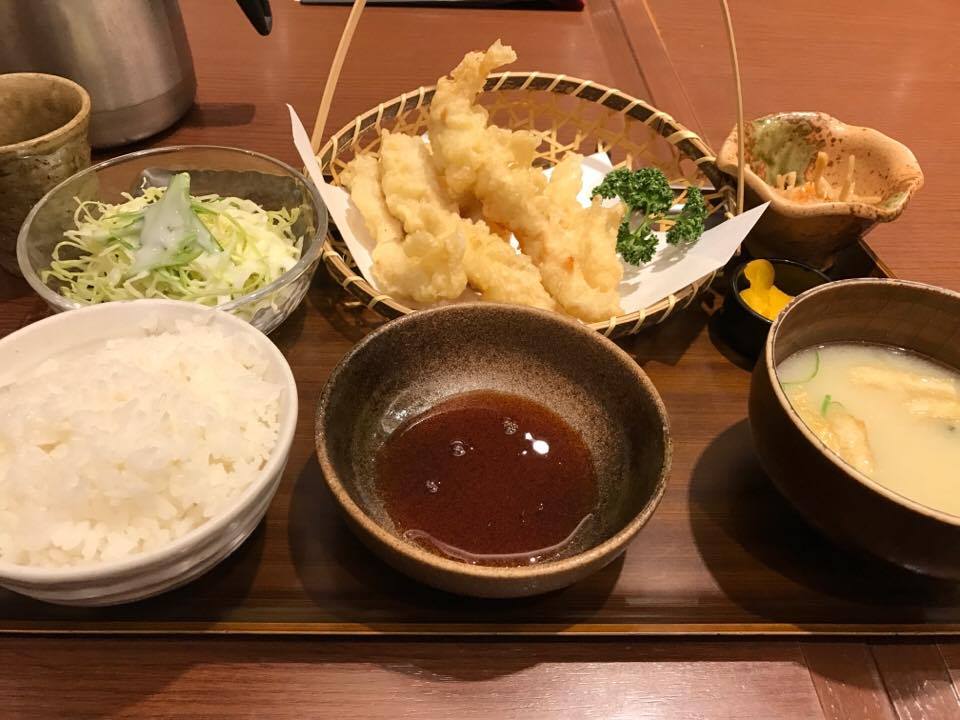
Toriten is short for 'tori (chicken) tempura', and is one of Oita’s staple local foods. While toriten itself is battered chicken that has then been fried, tempura-style, in Oita it is most often eaten with kabosu ponzu (a citrus dipping sauce) and mustard.

​
Although it can be served various ways, even as a side dish in another meal, one of the most common ways of serving it is as part of a teishoku (set meal). Toriten teishoku will vary slightly between restaurants but will include toriten, a bowl of rice, a bowl of soup (normally miso), and pickles.  ​

Picture
KARAAGE
​Most famous in: Usa City, Nakatsu City

Chicken karaage is popular throughout Japan, but Usa City claims itself as the birthplace of karaage-specialized restaurants, and right next door, Nakatsu City advertises itself as a ‘karaage mecca’. Each restaurant has their own method of marinating their chicken, including garlic, ginger infused soy sauce and their own blends of original spices. Usa and Nakatsu karaage is well-known in Japan and you can even see food stalls selling it at various events around Kyushu.
​
Once a year, Nakatsu hosts a large Karaage Festival with shops from both Usa and Nakatsu. Come along and see if you can taste the difference and find your favourite style!
 
Karaage & Toriten Wikipedia Wednesday

​

Picture
SHIITAKE MUSHROOMS
Oita prefecture represents 40% of Japan's dried shiitake production, and has been growing shiitake since around the early Edo period (1603 - 1868). Oita's climate and abundant natural environment make it ideal for growing shiitake, and they are grown in a way that uses no chemicals or additives, just the natural sawtooth oak logs on which the shiitake grow, which are provided through cooperation with local forestry departments. This organic growing process may take longer than other methods, and depends heavily on the weather throughout the year, but it produces succulent mushrooms that are full of flavour.

In fact, Oita's shiitake are so good that in Japan's annual dried shiitake contest (yep, that's a thing!), Oita's Shiitake Agricultural Cooperative (also known as OSK) has won first place in the group category an amazing 48 times out of 62, including a 16-year win streak! At the Grand Sumo Tournament, the winner even wins a handmade trophy full of premium kouko shiitake grown in Oita. Thanks to this, Oita's shiitake are well known all around Japan, but we can try them in the very prefecture they come from! They are used in a wide variety of dishes, from nabe (hot pot) to chirashizushi, and a local speciality is even shiitake tempura.
​


Picture
KABOSU CITRUS
​Kabosu citrus is similar to lime, and it has a similar aroma and sour taste. While it’s well known throughout Oita, which is the biggest producer in Japan, it is most associated with the cities of Usuki and Taketa. It is a popular flavour in souvenir goods, and you’ll find it added as flavouring to a variety of other foods from grilled fish, sashimi, ponzu sauce, nabe, miso soup, and shōchū.

Picture
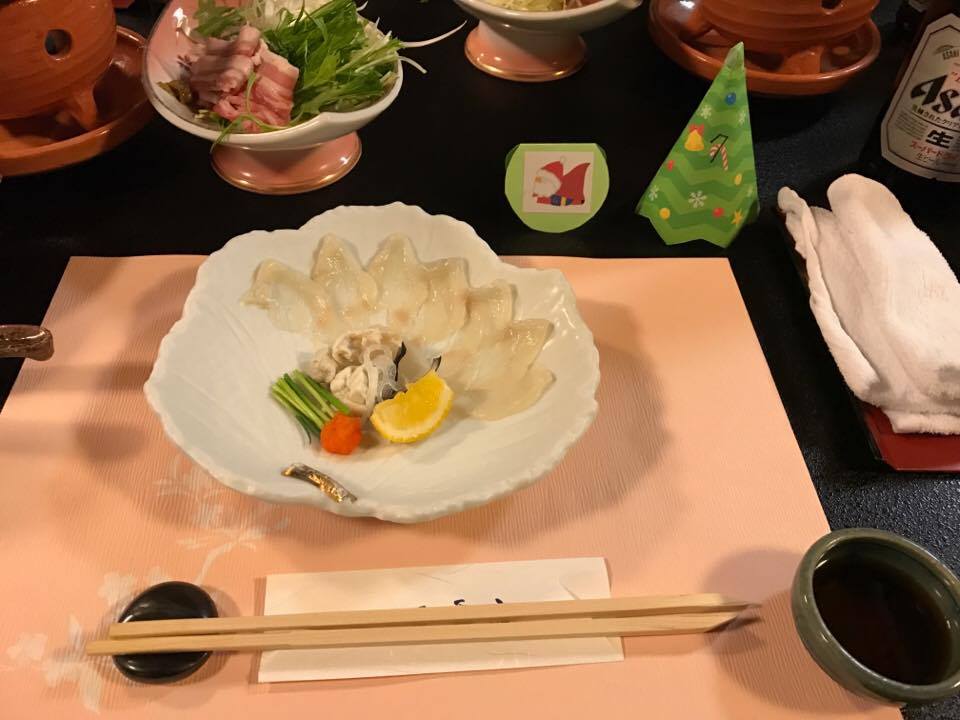
FUGU (BLOWFISH)
​Most famous in: Oita City, Usuki City
​Bungo fugu is the only type of fugu that can be served as thick-cut sashimi. Its smooth, transparent meat and its rich flavour make it a double hitter in Japanese cuisine – being appetizing in both appearance and flavour. While you can also see if preapared as karaage and as zosui (a mild, thin vegetable soup with lots of rice) it is worth the extra cost to have it as sashimi. 
​

Picture
AYU (SWEETFISH)
​Most famous in: Hita City
This fish is available from early summer (normally between mid-July and early November) and is normally served either salted and grilled or sweetened and boiled. It is a freshwater fish and can be found at locations around the Mikuma River – near the Hita Ayu Yanaba where the fish are caught.

Picture
SUPPON (SOFT-SHELL TURTLE)
Most famous in: Usa City
Suppon is considered a delicacy in Japan, and is high in minerals. Historically it has also been said that it boosts energy during fatigue and sickness and it is supposedly popular among woman for its high collagen content. It is served in a variety of ways including in nabe, fried, and in zosui (a mild thin rice soup). It also sometimes appears in school lunches. 

​*Note: unfortunately, the species of turtle used in suppon cooking is on the list of threatened species in the vulnerable category, and at risk of extinction.
​


Picture
KURUMA EBI (TIGER PRAWN SHRIMP)
Most famous in: Himeshima Village (off the Kunisaki Peninsula)
Japanese tiger prawns are firm and meaty and the Himeshima island shrimps are known for their flavour and texture. You can find them served in a variety of ways throughout the island including as sashimi, fried, salted and grilled among others. To make the most of the taste and freshness, sashimi is the most recommended. 

You can also sample them at Himeshima's Kuruma Ebi Festival, held annually in the fall. Pictured above is the special bento served on this day!

Picture
SOBA (BUCKWHEAT NOODLES)
Most famous in: Bungotakada City
The top producer of soba in Oita, these noodles are usually produced twice a year - once in Spring and once in Autumn. The noodles are made from buckwheat flour and despite being made twice a year, they are available year round at the city’s designated official restaurants. These restaurants preserve the original methods of making soba including hikitake (freshly ground flour), uchitate (freshly made noodles), yudetate (freshly cooked to serve) and santate (the combined use of the aforementioned three principles). 
​

Picture
YASEUMA

Yaseuma is a local Oita sweet. It has thick, flat noodles made of wheat flour, coated in kinako (sweet ground soy) powder. 

Picture
HITA YAKISOBA
​Most famous in: Hita City
While yakisoba is readily available throughout Japan, and is a particular favourite at festivals, Hita’s yakisoba is known for the crispness of its noodles and bean sprouts. There are over 20 restaurants throughout Hita– establishing it as a fan-favourite and one of Japan’s great B Gourmet foods (Japan’s gourmet category reserved for unpretentious, classic dishes that are cheap but delicious).

Picture
BUNGO BEEF
Most famous in: Bungo-ono City, Kokonoe Town, Kusu Town, Taketa City, Yufuin 

Bungo beef is one of Oita’s high end gourmet products. While it’s not as famous as Kobe beef, it is a top-grade example of Japan's wagyu (Japanese beef). Wagyu is famous for its intense marbling, caused by the high percentage of unsaturated fat in the meat. This marbling effect creates the delicious ‘melting’ sensation you get when you eat Bungo beef. Bungo beef is raised in Oita and primarily only sold in Kyushu, although you can sometimes see it in other parts of Japan.

​It can be eaten several ways but some restaurants present it to be served as part of a three step eating process. In the first stage you eat the meat as it is served. Once you’ve eaten about a third you add the yakumi, which can include wasabi, pickled vegetables, nori and green onion. Yakumi means "medicine flavour", and although at first this might not sound appealing, it refers to condiments that are used both as medicines and as food seasoning. After mixing in the yakumi you eat another third of the dish. Finally, the remaining third you eat ochazuke style. This involves pouring tea or soup over the remainder, and if you desire adding more green onion and wasabi. This eating style, while involved, allows you to eat the beef three separate ways. 

Picture
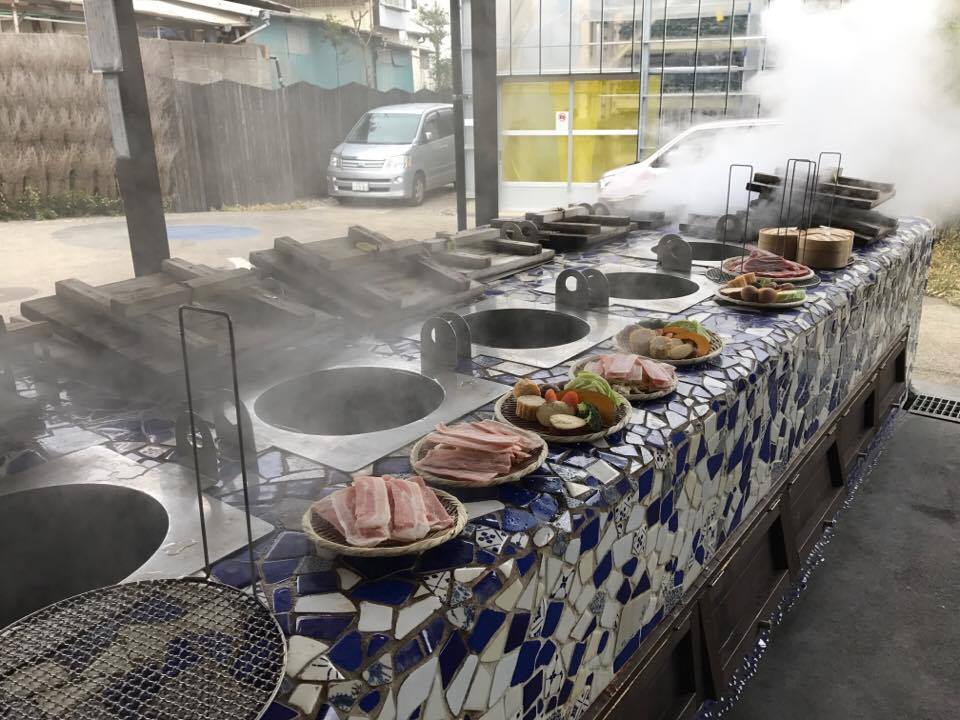
JIGOKU MUSHI
​Most famous in: Beppu City
One of Oita’s healthier famous foods, jigoku mushi is food that has been steam cooked using the local hot spring water.
It can include a variety of ingredients, from seafood, chicken, and seasonal vegetables to eggs, shu mai and purin (Japanese custard pudding).
In the Kannawa district of Beppu in particular, you can find stalls in the street selling steamed eggs and meat buns, and Okomotoya in the Myoban district sells not only steamed purin but even a parfait which incorporates it!
​
At most places Jigoku Mushi is a hands-on experience. You select and pay for your food at a ticket machine and the staff talk you through cooking your food and setting the appropriate timer. Keep in mind some venues will ask you to pay a one off basket rental fee while others will ask for a basket per a certain number of dishes. Some venues also just offer the jigoku mushi facilities – allowing you to bring your own food from outside. 

The most well-known place to try a full Jigoku Mushi meal is the Jigoku Mushi Kobo located in the Kannawa district

Picture
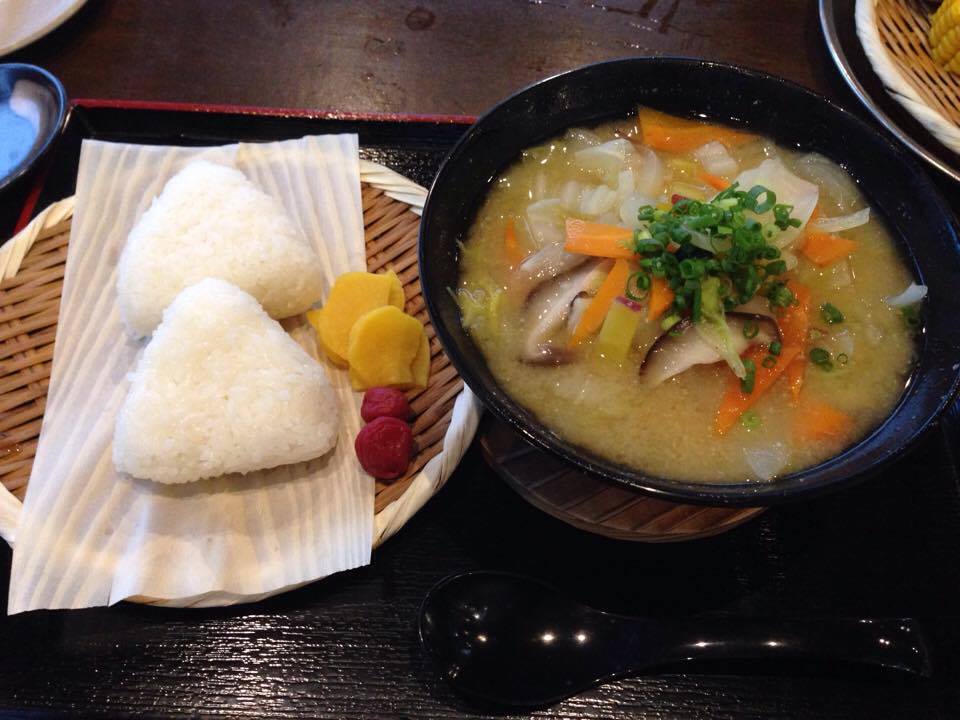
DANGO JIRU
This soup is famous throughout Oita and therefore can be found in many places around the prefecture.
It consists of a miso soup base, with boiled or steamed vegetables such as carrot, taro (also called 'satoimo'), burdock root, and Oita's local shiitake mushrooms. The main ingredient is the 'dumplings', which are different to normal dumplings as they are long and flat, more like noodles. Due to this, dango jiru in Oita sometimes confuses Japanese people from other areas, as usually 'dango' refers to round dumplings like those you get in the sweet snack, 'mitarashi dango'.

It is said that Oita's dango originate from China, and were brought here somewhere between the Nara (710 - 794) and Heian (794 - 1185) periods. These noodles were originally called "houtou", which people believe was changed over time to become "houchou" - some places in Oita still refer to dango jiru as "houchou-jiru". Yamanashi prefecture has its own local specialty called "houtou", which is similar to Oita's own dango jiru.


Read about some other famous foods!
Beppu Reimen
Cutlass Fish
Hamo (Conger Pike)
Hitan Sushi
Horse Mackerel
Hyuga Don (Tuna Donburi)
Japanese Spiny Lobster
Kabosu-fed Amberjack and Japanese Halibut
Kanta-kun (Sweet Potatoes)
Kokonoe Yume Burger
Oysters
Saiki Sushi
Sake (Japanese Alcohol)
Sea Bream Ochazuke
Shiroshita Karei (Marbled Flouder)

Powered by Create your own unique website with customizable templates.
  • Home
  • AJET
    • About AJET
    • Current AJET Committee
    • Contact Us
    • Event Calendar
    • Oita Book Club
    • Annual Charity Bike Ride
    • National AJET
    • AJET Block 10
  • Working in Oita
    • The JET Programme
    • Oita Support Network >
      • Prefectural Advisors >
        • Current PAs
        • Past PAs
      • Regional Advisors
    • For First Year JETs >
      • Before you arrive
      • Packing Advice
      • Money
      • Shoes in Japan
      • Senpai Advice >
        • Senpai Advice: Japanese Culture
      • Explaining the System >
        • Prefectural ALTs
        • Municipal ALTs
      • Your First Month
    • Conference and Orientation Materials
    • Teaching on JET >
      • The Japanese School System >
        • Kindergarten
        • Elementary School
        • Junior High School/Middle School
        • High School
        • School Events
        • Club Activities >
          • English Club
      • Oita Lesson Exchange
      • Senpai Advice: Work
    • Enkai (Work Functions)
    • Social Media Guidelines
    • Contract Renewal
    • Visa Renewal
    • For Departing JETs
  • Living in Japan
    • Get Connected
    • Getting Around >
      • Driving in Oita
    • Learning Japanese
    • How do I.... >
      • get a phone?
      • {do X} at the Post Office?
      • Move within Japan
      • Take the GRE in Japan
      • Get my driver's license?
    • Cooking in Japan
    • Taxes
    • Embassies & Consulates
    • City Halls (Kouminkan)
    • Religious Services
    • Senpai advice
  • Health & Safety
    • Health >
      • Medical Facilities with English Support
      • JET Recommended Medical Facilties
      • Visiting the Doctor
      • Mental Health Resources
    • Disaster Preparedness >
      • How to Be Prepared for Disasters >
        • Emergency Pack
        • Be Disaster Ready
        • Stay Informed
        • Evacuation Centers
      • Disaster Procedures in Oita
      • Natural Disasters >
        • Earthquakes
        • Typhoons
        • Floods
        • Landslides
      • Terrorism >
        • Tensions with North Korea
      • Fire Safety
    • Travel Safety
  • Explore Oita
    • About Oita
    • Your local area >
      • Beppu
      • Bungo-ono
      • Bungo-takada
      • Hiji
      • Hita
      • Kitsuki
      • Kokonoe
      • Kunisaki
      • Kusu
      • Nakatsu
      • Oita City
      • Saiki
      • Taketa
      • Tsukumi
      • Usa
      • Usuki
      • Yufuin
    • Famous Foods
    • Festivals and Events >
      • Complete List of Festivals and Events
      • Ajimu Wine Festival
      • Awashima Park Flower Festival
      • Beppu Hatto Hot Spring Festival & Fire Festival
      • Beppu Hi no Umi Festival (Ocean Fire Festival)
      • Christmas Hanabi Fantasia (Christmas Fireworks Festival)
      • Eat Beef and Scream
      • Gaman Taikai
      • Hiji Curry Rally
      • Himeshima Bon Odori
      • Hina Doll Tour, Hiji Castle Town
      • Hina Doll Tour, Usuki
      • Hita Gion Festival
      • Hita Kawabiraki Tourism Festival (Hita Kankousai)
      • Hita Sennen Akari Festival
      • Hita Tenryo Festival
      • Horan Enya (Fisherman's Festival)
      • Japan Fairy Tale Festival
      • Kamegawa Summer Festival
      • Karaage Festival
      • Kebesu Festival
      • Kitsuki Castle Festival
      • Kitsuki Castle Town Walk and Hina Doll Tour
      • Kitsuki Moon Viewing Festival (Lantern Festival)
      • Koton Village Sakura Festival
      • Miemachi Noryo Hanabi Taikai
      • Nakatsu Gion Festival
      • Nakatsu Hina Doll Festival
      • Ogata Kodaihi Matsuri
      • Oita International Wheelchair Marathon
      • Oita Tanabata (including Funai Pacchin Festival)
      • Oka Castle Cherry Blossom Festival
      • Oka Castle Town Hina Doll Festival
      • Onta Pottery Festival (Onta-yaki Mentousai) Spring
      • Onogawa Battle Festival
      • Sanko Cosmos Festival
      • Shimanawa Rope Tying (Sacred Straw Rope Tying)
      • Shiroshita Karei Festival
      • Shujo Onie
      • Stone Buddha Fire Festival
      • Taketa Bamboo Festival
      • Taketa Ice-cream Rally
      • Tenjin Festival
      • Tenryo Hita Doll Festival
      • Tsukumi Minato Festival (Tsukumi Port Festival)
      • Tsukumi Traditional Fan Dance
      • Tulip Festa
      • Usa Mikoshi Festival (Usa Summer Festival)
      • Usuki Gion Festival
      • Usuki Takeyoi (Lantern Festival)
      • Wakamiya Hachiman Naked Festival
      • Yoru Umi Jigoku
    • Onsen Culture >
      • Onsen Map
    • Sightseeing in Oita >
      • Nature
      • Historical Sites
      • Temples and Shrines
      • Onsens and Spas
      • Theme Parks & Attractions
      • Artisan Skills & Crafts
    • Travelling outside Oita >
      • Travel Tips
      • Researching your Trip
      • Budget Carriers
    • Cherry Blossoms
    • Map
    • Photo Gallery
  • MORE...
    • A Year in Oita
    • Resources >
      • Useful Websites etc. >
        • Guide to JET Websites Around Japan
        • Helpful Websites
        • Online Shopping Sites
        • Smartphone Apps
    • Wikipedia Wednesdays
    • FAQ
    • The ORC Team